The Unassailable Case against Blanket Rezoning
Executive Summary
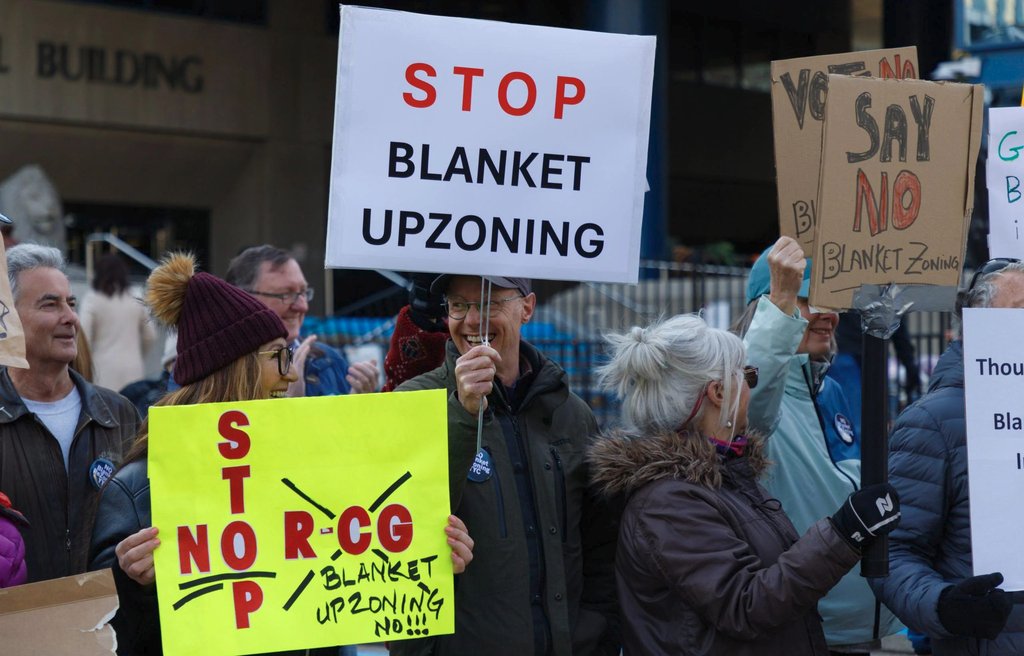
The authors contend that blanket rezoning in Calgary, while intended to boost housing supply and streamline development, risks eroding neighbourhood character, overloading infrastructure, and failing to deliver genuine affordability. They highlight numerous unintended consequences—including gentrification, environmental degradation, and prolonged approval timelines—and propose more nuanced alternatives. A combination of comprehensive neighbourhood plans and a Community Land Trust is presented as a sustainable, locally‑responsive path to affordable housing.
Key Takeaways
The blanket rezoning proposal promises increased housing options, faster approvals, and better use of existing infrastructure, but the authors argue these benefits are overstated and come with significant downsides. Critics point to potential loss of community cohesion, heightened gentrification pressures, environmental harms, and uncertain affordability for low‑income households. Moreover, the process could actually lengthen development timelines due to appeals and court challenges, straining municipal resources.
Alternative strategies focus on targeted, site‑specific planning rather than a one‑size‑fits‑all approach. Comprehensive neighbourhood plans can identify appropriate locations for higher‑density housing while preserving the character of established areas. Coupled with a Community Land Trust, the city could leverage its land assets to deliver permanently affordable homes, both for ownership and rental, without relying on market‑driven price dynamics.
Implementing a Community Land Trust would allow the municipality to retain land control, reduce land‑cost components of housing, and ensure long‑term affordability through resale restrictions and income‑based eligibility. The authors recommend abandoning the blanket rezoning bylaw, adopting detailed neighbourhood plans, establishing a CLT, and making city‑owned parcels available under long‑term leases. These measures aim to balance housing needs with social, environmental, and economic objectives while preserving the lived experience of existing residents.